-
 Workshop | Inclusive Reserch Methods:
Exploring Gender, Age and MigrationMarch 13, 2023 Newcastle, UK
Workshop Title:
Inclusive Research Methods: Exploring Gender, Age, and Migration
Date:
March 13th, 2023 (GMT)
Organizer:
Northumbria University
Keywords:
- Ageing
- Migration
- Research Methods
- Inclusion
Workshop Chair:
Personal Bio:
Dr Nafhesa Ali is a Lecturer in Sociology at Northumbria University and is an interdisciplinary Sociologist with expertise in the everyday lives of racialized and minority communities. Nafhesa's interest includes ageing, migration, relationships and environmental sustainability. Her forthcoming book titled Older South Asian women's experiences of ageing in the UK: Intersectional feminist perspectives will be published with Palgrave Macmillan in December 2023. Nafhesa's previous publications include two edited books, Storying Relationships (2021) and A Match Made in Heaven: British Muslim Women write about Love and Desire (2020) and journal publications in Sexualities, Ethnicities, Ethnic and Racial Studies and Cultural Geographies.
Workshop Description:
Background:
Inclusive research extends participatory research methods as the breakdown of power between the researcher and researched begins from the early stages to dissemination and delivery. With prompts for researchers to be more aware of Equality, Diversity and Inclusion (EDI), in all aspects of their work, this workshop draws attention to the usefulness of inclusive methods to dismantle positions of power. Inclusive research centres research participants in the research process, where participants work with researchers to shape the research, design research tools such as surveys, interview guides, and creative approaches used to gather data and disseminate the research. Inclusive methods recognise previous tensions from participants where research 'being done on' participants has pushed for calls for more inclusive practices throughout the research process, which this workshop aims to address.
Goal / Rationale:
The workshop will draw attention to the ways in which researchers engaged with the workshop themes of gender, migration and age have encouraged the use of inclusive research practices, the challenges they continue to face in fully achieving this, and the reasons why. Topics such as how to nurture relationships between those involved, recognition of language within research and negotiations of power through political spaces or everyday understandings will be some of the discussions the speakers will engage in. By the end of the workshop participants will be able to understand the use and application of inclusive research methods, and how to engage with it in their own research.
Scope and Information for Participants:
Participants will hear from workshop speakers in the form of a panel addressing the provocations, "What does inclusive research mean in gender research?", "How can we get a better understanding of ageing research by looking to inclusive methods?" and "how do we adopt inclusive practices for migration research?". Speakers will present for 10 minutes on their research area and then answer the question they have been posed. Participants will have the opportunity to ask workshop speakers questions after the provocations.
Highlights:
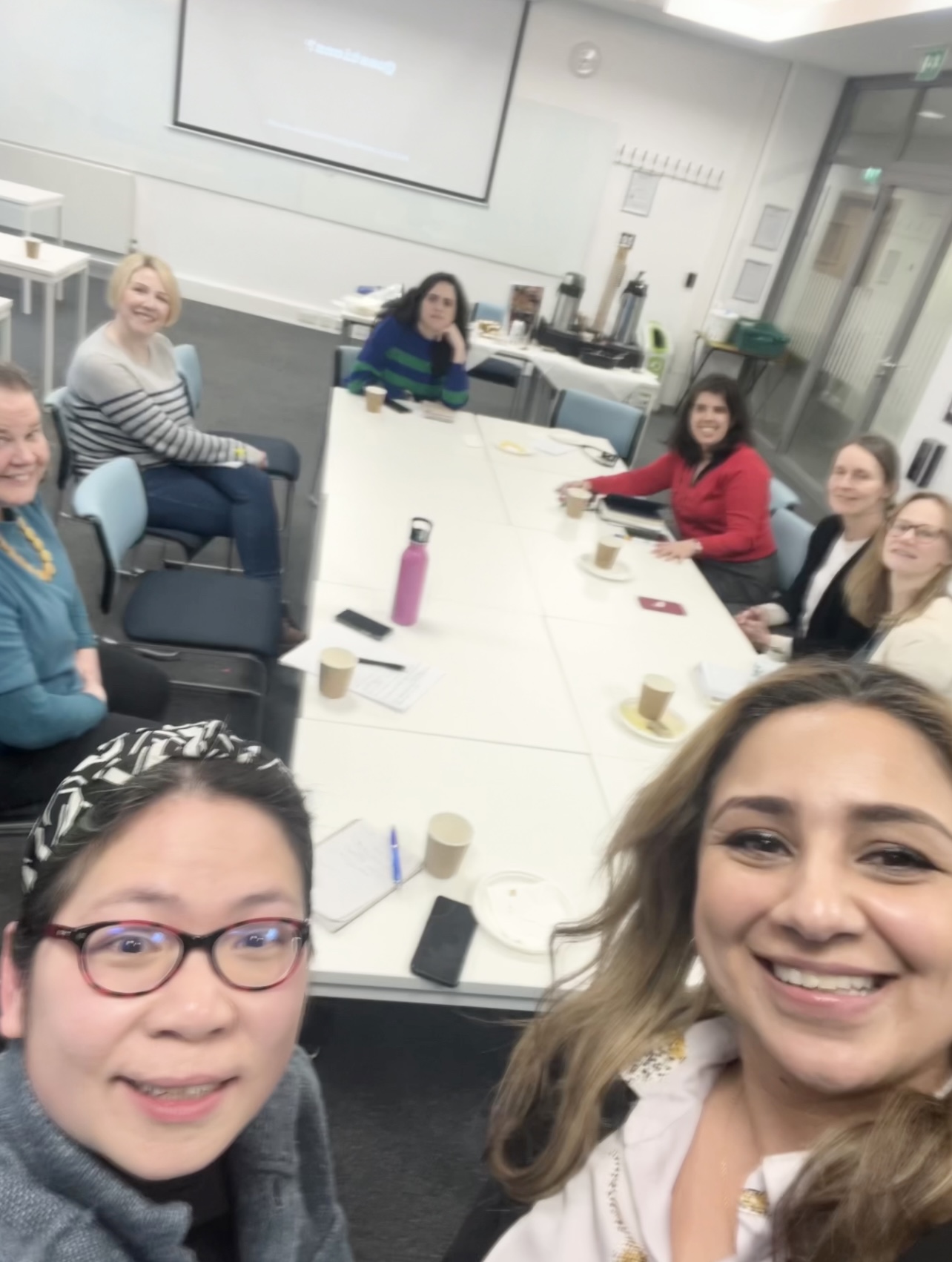
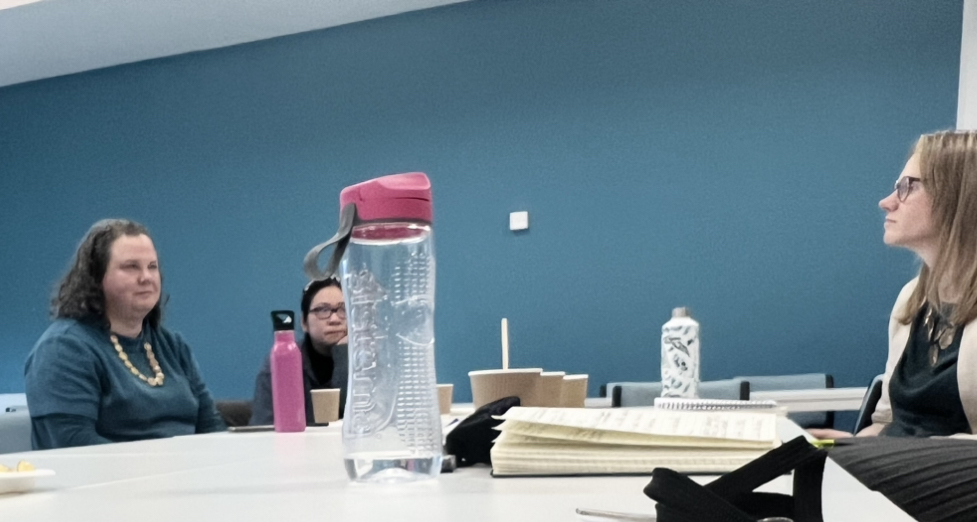
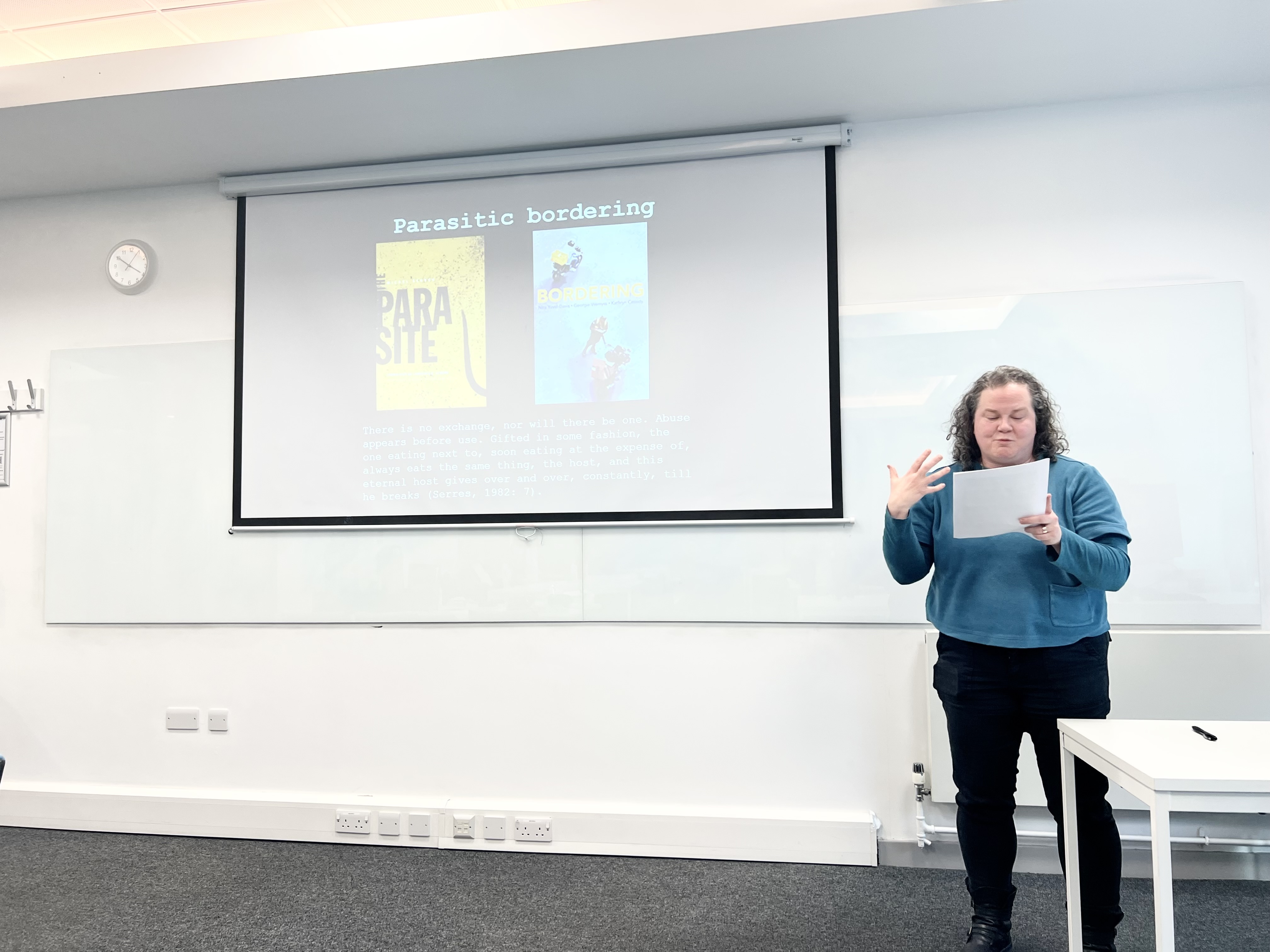
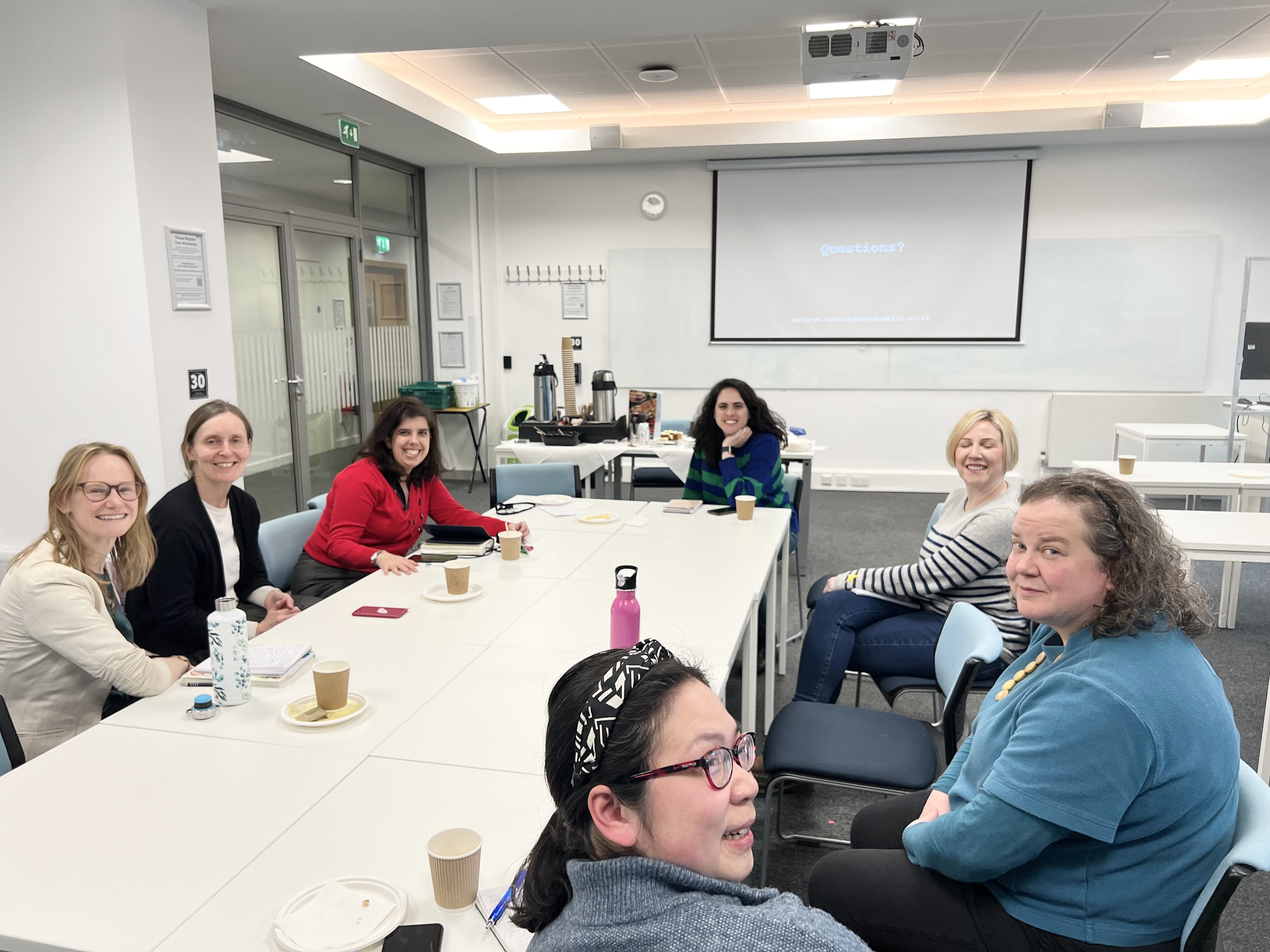
The Power and Intersecting Inequalities Research Cluster hosted the 'Inclusive research methods: exploring gender, age and migration' workshop series which aims to discuss how inclusive research methods can be adopted by researchers to create an inclusive research culture that increases the inclusion of seldom heard and underrepresented groups.
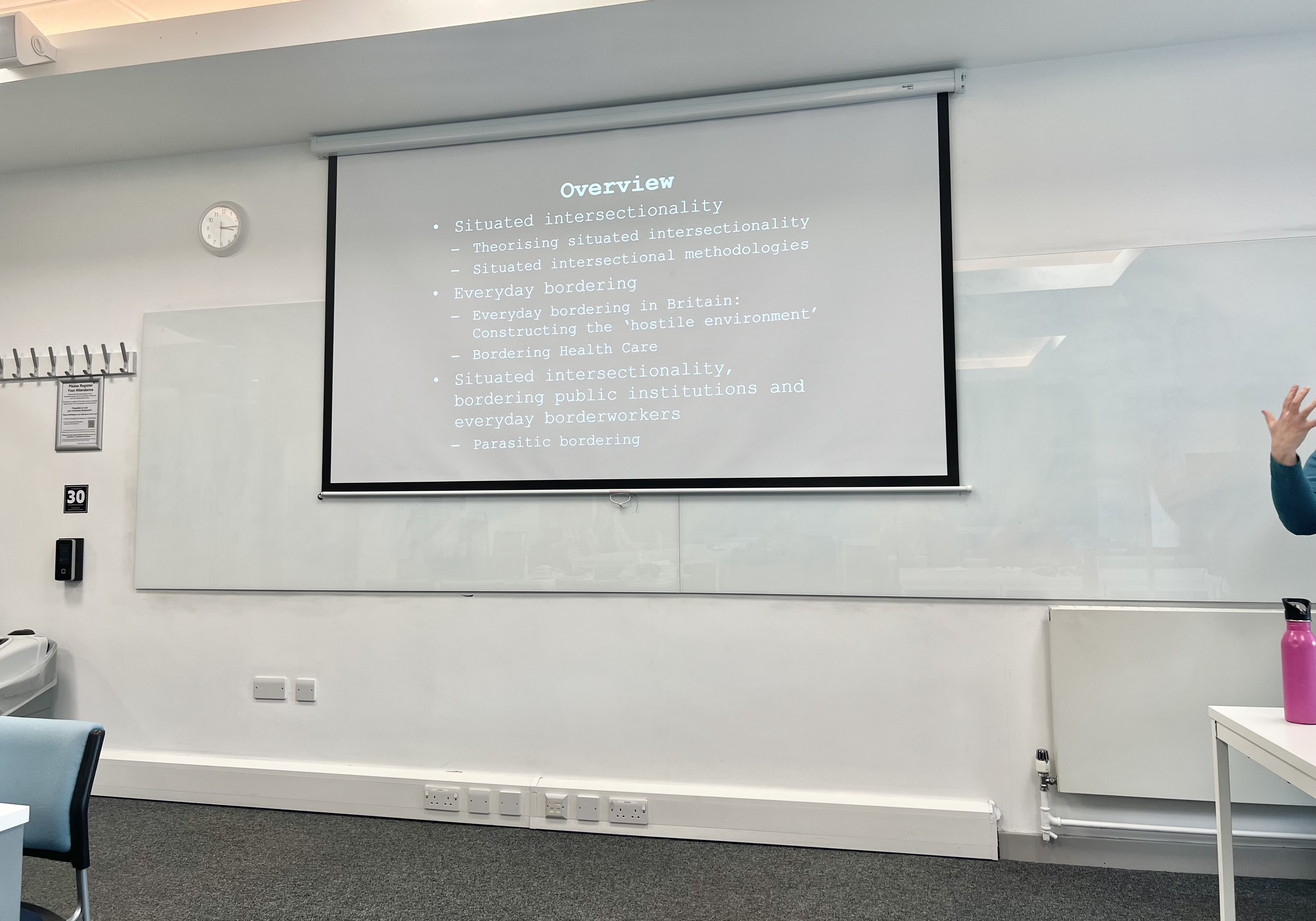
The workshop was Chaired by Dr. Nafhesa Ali and included a guest talk and roundtable discussion with Professor Kathryn Cassidy from the Geography Department at Northumbria University. It was hosted during International Women's Day (IWD) week. Kathryn's research focuses on situated intersectionality and the border and we had some fruitful discussions around migration, intersectionality and legislation, which broached upon NHS practice and policy.
The workshop took an intersectional approach examining migration at the intersections of gender, race and ethnicity, and the roundtable discussion explored topics such as how to nurture relationships between those involved in research, recognition of language and negotiations of power through political spaces or everyday understandings. By the end of the workshop participants were able to understand the use and application of inclusive research methods, and how to engage with it in their own research to increase knowledge around the inclusion of a range of diverse voices.
Venue:
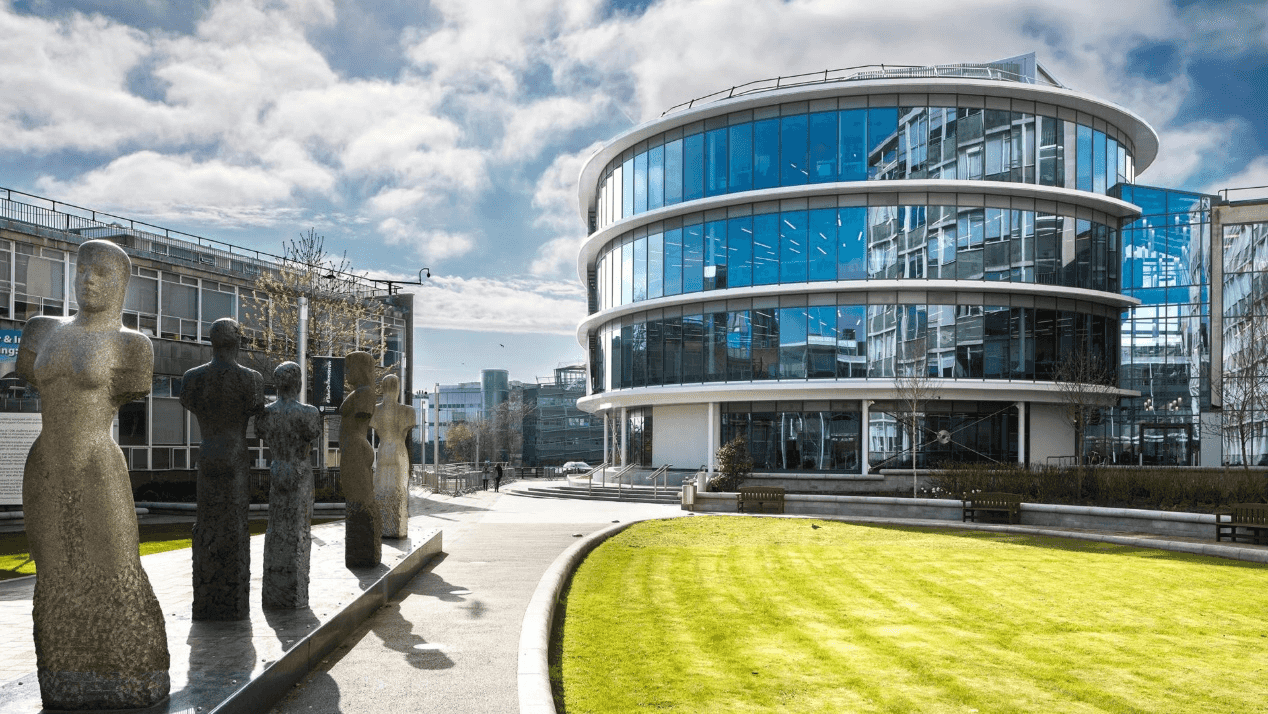
Sutherland Building, Newcastle-Upon-Tyne NE1 8ST, Northumbria University, UK
VISA
Welcome to GOV.UK (www.gov.uk)
In order to ensure the information is correct and up to date, there may be changes which we are not aware of. And different countries have different rules for the visa application. It is always a good idea to check the latest regulations in your country. You should confirm details with your local Consular Office. This page just gives some general information of the visa application.
UK Visa Information
What you need to do
- Check if what you plan to do in the UK is allowed as a Standard Visitor.
- Check you meet the eligibility requirements.
- Check if you need to apply for a visa to visit the UK.
- Apply for a Standard Visitor visa online - if you need one.
Check you meet the eligibility requirements
You must have a passport or travel document to enter the UK. It should be valid for the whole of your stay.
You must be able to show that:
- you'll leave the UK at the end of your visit
- you're able to support yourself and your dependants during your trip (or have funding from someone else to support you)
- you're able to pay for your return or onward journey (or have funding from someone else to pay for the journey)
- you'll not live in the UK for extended periods through frequent or successive visits, or make the UK your main home
Check if you need a visa to visit the UK
Depending on your nationality, you'll either:
- have to apply for a Standard Visitor visa before you travel to the UK
- be able to visit the UK for up to 6 months without needing a visa
You can check if you need a visa before you apply.
If you do not need a visa, you must still meet the Standard Visitor eligibility requirements to visit the UK. You may be asked questions at the UK border about your eligibility and the activities you plan to do.


Sometimes it is the people who no one imagines anything of, that do the things that no one can imagine.