-
 Workshop | Language Development Issues,
Intercultural Competence and Critical ThinkingHuntsville, USA MARCH 23, 2023
Workshop Title:
Language Development Issues, Intercultural Competence and Critical Thinking
Date:
March 23rd, 2023 (GMT-5)
Organizer:
Professor Enrique Mallen in Sam Houston State University
Keywords:
- Intercultural Competence
- Critical Thinking
- Cognition
- Linguistics
- Language Development
Workshop Chair:
Personal Bio:
Dr. Enrique Mallen is Professor at Sam Houston State University. He regularly teaches courses on language, art and culture. He is Director of the Online Picasso Project. He has published extensively on language, art and literature. Among his most recent publications are the books Pablo Picasso and Dora Maar: A Period of Conflict (1936-1946) (2021) and Pablo Picasso: The Aphrodite Period (1924-1936) (2020).
Workshop Description:
Background:
The multicultural world has made intercultural teaching necessary, focusing on students' ability to comprehend quickly and accurately, and then act appropriately and effectively in a culturally complex environment in order to achieve the desired goal. Intercultural competence is important for successful communication across cultures, and so is critical thinking since the two, if they are not "parallel," at least overlap. Critical thinking involves an examination of propositions of any kind which are offered for acceptance, in order to find out whether they correspond to reality or not. The critical faculty is a product of education and training. It is also our only guarantee against delusion, deception, superstition, and misapprehension of ourselves and our earthly circumstances.
Goal / Rationale:
In many classes current settings, students are not expected to explore anything on their own, nor are they required to perform any tasks involving observation, analysis or assessment of foreign cultures. They do not have much chance to practice critical thinking and, thus, realize that cultural diversity with its own internal validity and value is a norm, and any culture is multi-dimensional. The workshop discusses issues related to the history of the Spanish language, following it up with both linking and synthesis questions, encouraging students to support their answers with additional evidence and to provide a summary of what they have learned.
Scope and Information for Participants:
A considerable number of class activities activate only lower-order learning and thinking, focus more on recall than reasoning and do not engage students in genuine intellectual work. If we want to generate curiosity, the activities must evolve into disciplined inquiry. In other words, every answer should generate more questions. We cannot equate active learning with learning critical thinking and intercultural competence; what matters is not that students are merely engaged, but how they are engaged. The workshop examines aligning activities with course outcomes using visualization tools and advanced questioning techniques.
Highlights:
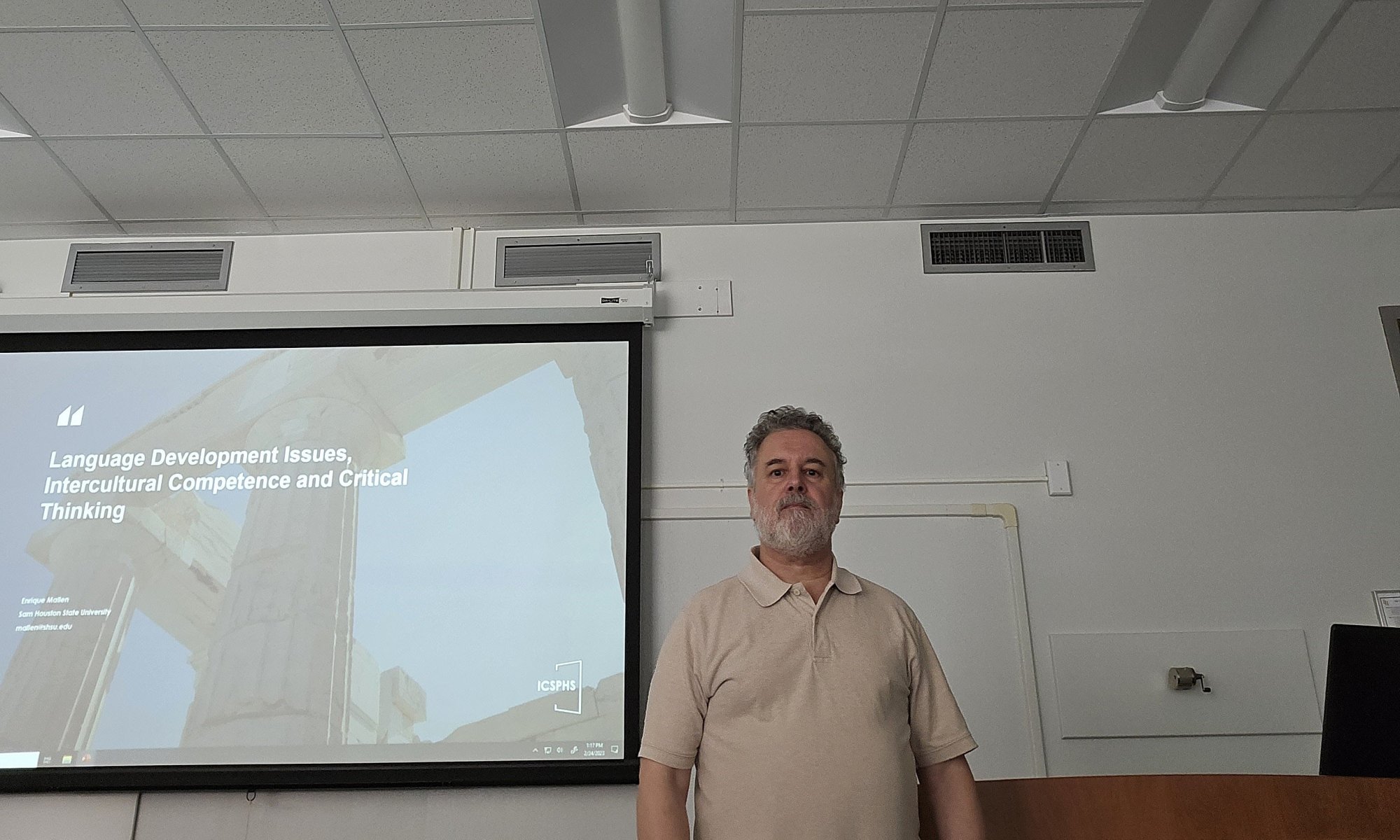
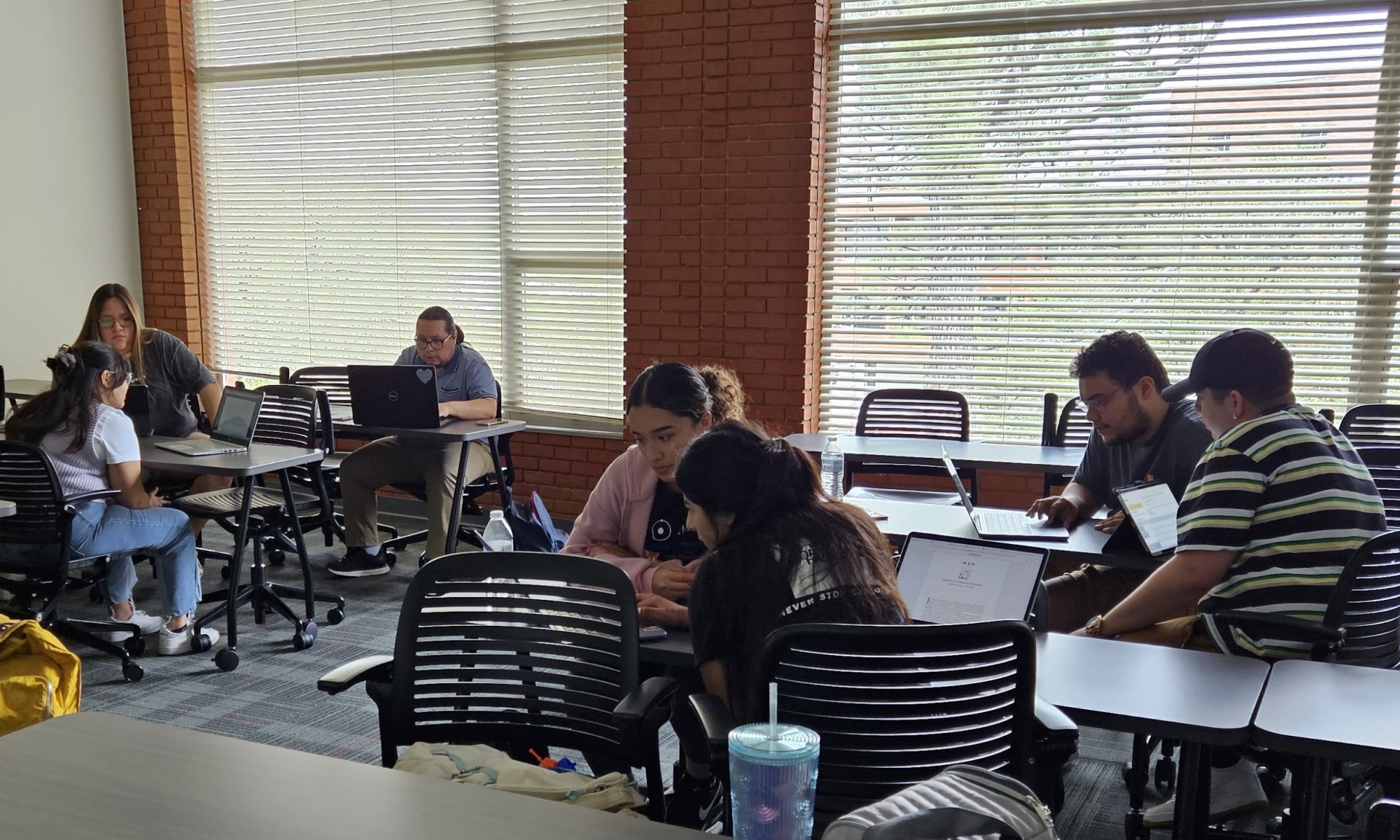
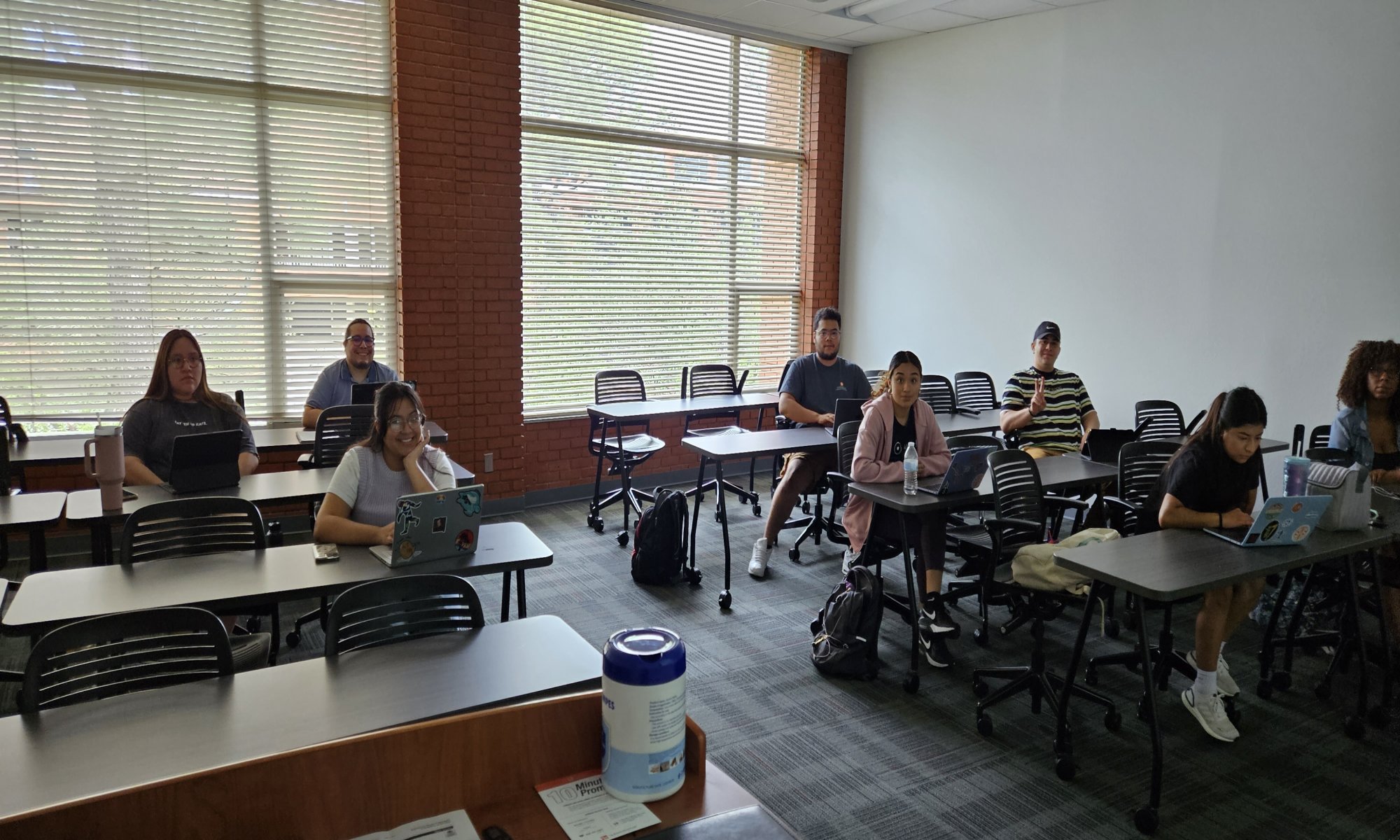
The title of my presentation was "Questions About the Evolution of the Phonology and Morphology of Latin to Spanish." In the workshop, we examined changes in the vowel and consonant system from Latin to Modern Spanish, going over some of the main general principles that govern that process, namely phonological weakening and assimilation. There was a generalized palatalization that affected vowels and consonants, creating new phonemes, such as the famous Spanish "ñ". In a second part, we examined the morphological changes that have occurred, paying particular attention to the nominal declension and the verbal conjugation. For instance, Latin lost its nominal case system as it evolved into Spanish, due in part to the phonological changes. For that reason, word order in Spanish is much more restricted than it was in Latin. With respect to the verb, many of the tense forms were altered, for instance, the future conjugation was redefined syntactically rather than morphologically; and there was an increase in compound forms for the perfect aspect of the verb.
Venue:
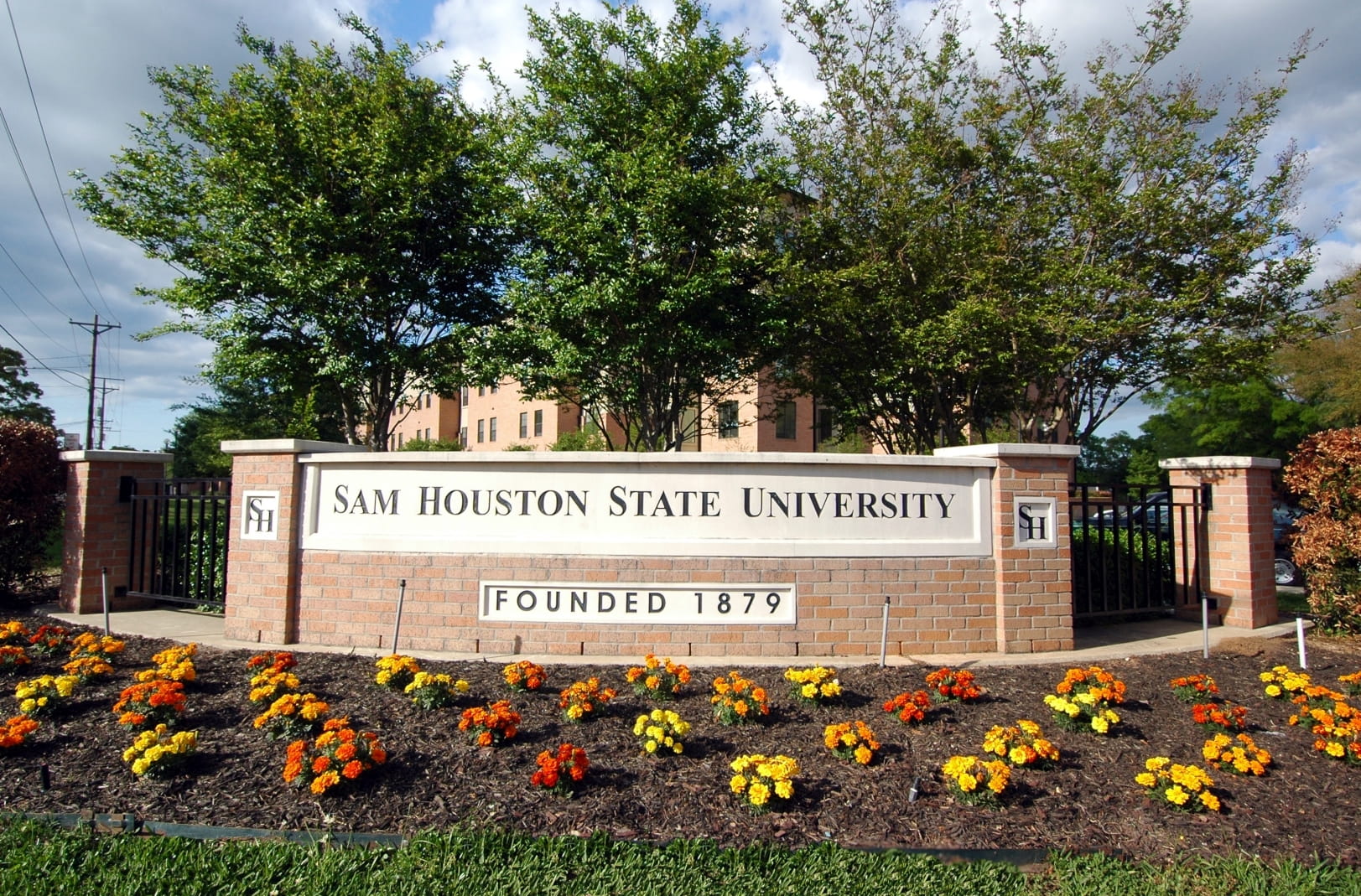
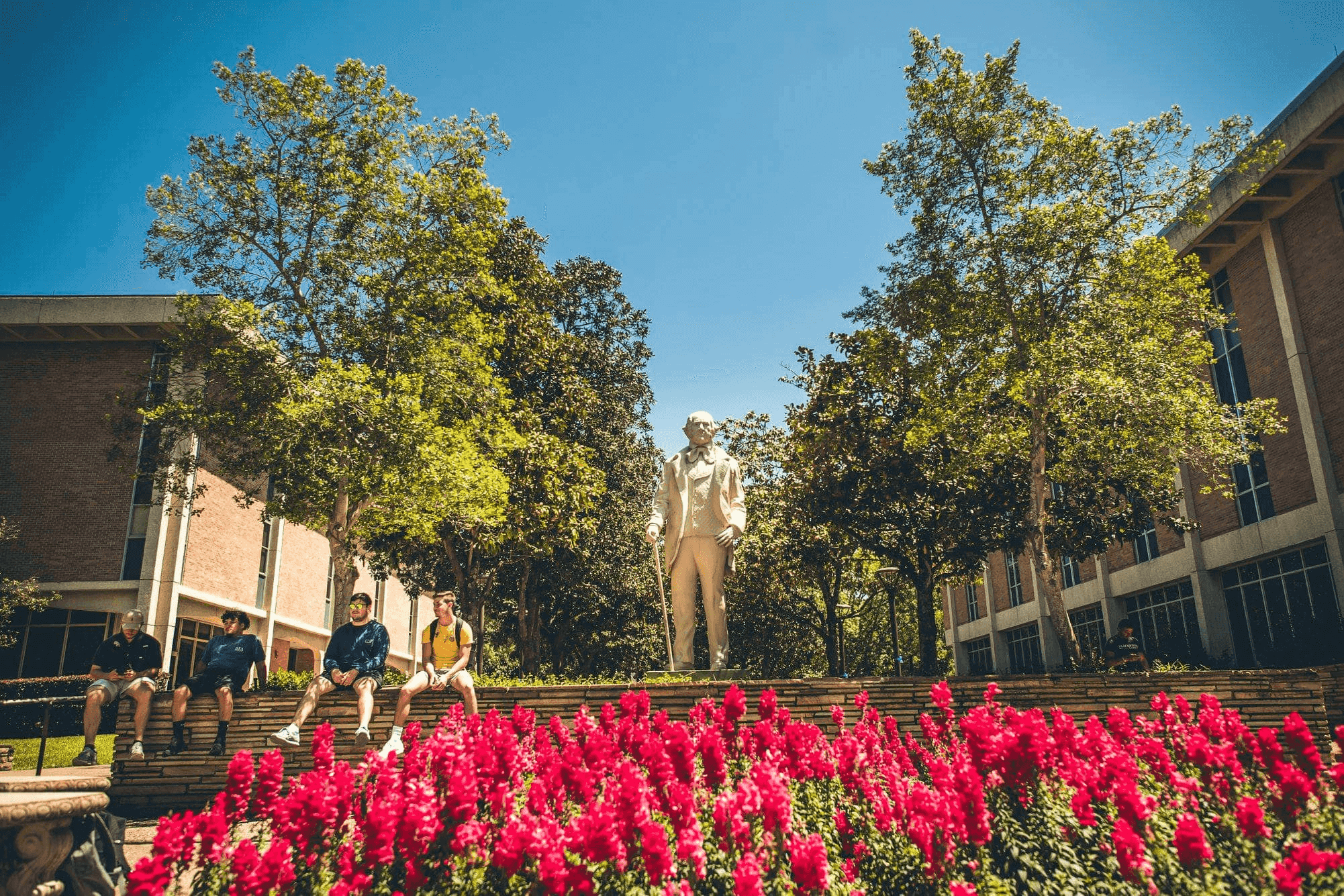
Sam Houston State University
Visa
U.S. Visas (state.gov)In order to ensure the information is correct and up to date, there may be changes which we are not aware of. And different countries have different rules for the visa application. It is always a good idea to check the latest regulations in your country. This page just gives some general information of the visa application.
US Visa Information
The B-1/B-2 visitor visa is for people traveling to the United States temporarily for business (B-1) or for pleasure or medical treatment (B-2). Generally, the B-1 visa is for travelers consulting with business associates; attending scientific, educational, professional, or business conventions/conferences; settling an estate; or negotiating contracts. The B-2 visa is for travel that is recreational in nature, including tourism; visits with friends or relatives; medical treatment; and activities of a fraternal, social, or service nature. Often, the B-1 and B-2 visas are combined and issued as one visa: the B-1/B-2.
Application Items
If you apply for a business/tourist visa, you must pay your $160 application fee and submit the following:
- A Nonimmigrant Visa Electronic Application (DS-160) Form. Visit the DS-160 web page for more information about the DS-160.
- A passport valid for travel to the United States with a validity date at least six months beyond your intended period of stay in the United States (unless country-specific agreements provide exemptions). If more than one person is included in your passport, each person desiring a visa must submit an application.
- One (1) 2 x 2 inches (51 x 51 mm) photograph taken within the last six months.
- If a visa is issued, there may be an additional visa issuance reciprocity fee, depending on your nationality.
In addition to these items, you must present an interview appointment letter confirming that you booked an appointment through this service. You may also bring whatever supporting documents you believe support the information provided to the consular officer.
Supporting Documents
- Invitation letter from business or school.
- Detailed CV or resume including a list of publications.
- Complete itinerary, including all meetings, conferences, and visits; include names, addresses, and telephone numbers of your hosts.
- For other materials, please refer to the U.S. Embassy or Consulate website.
NOTICE:
Should your application be denied, the organizing committee cannot change the decision of visa officer, nor will ICSPHS engage in discussion or correspondence with the visa application center on behalf of the applicant. The registration fee CANNOT be refunded when the VISA application of individual being denied.


Sometimes it is the people who no one imagines anything of, that do the things that no one can imagine.