-
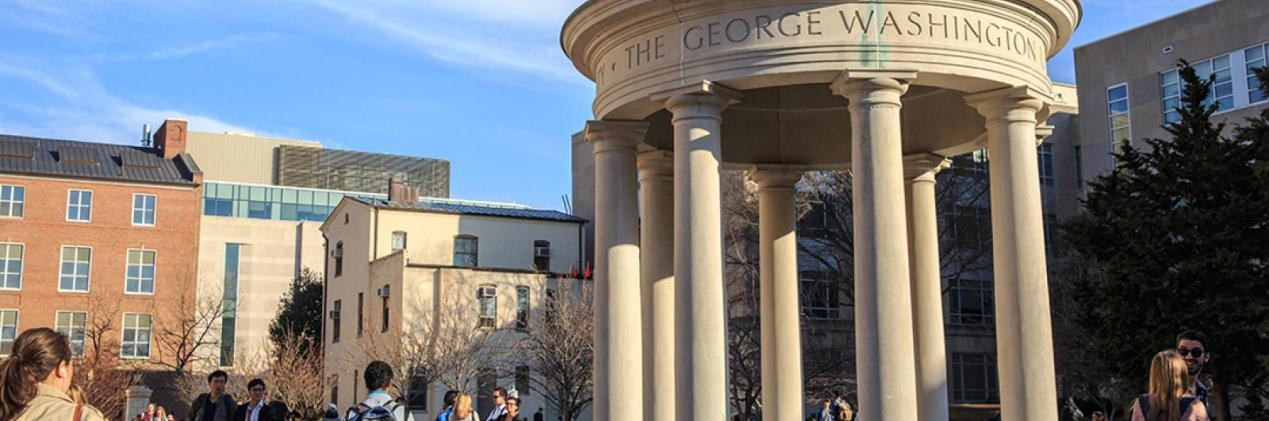 Workshop | Disposable Humanity: Disability and the HolocaustWASHINGTON, USA APRIL 13, 2023
Workshop Title:
Disposable Humanity: Disability and the Holocaust
Date:
April 13th, 2023 (GMT-4)
Organizer:
Professor David T. Mitchell in George Washington University
Keywords:
- Disability History
- Disability Studies
- World War II
- Holocaust
Workshop Chair:
Personal Bio:
Professor David Mitchell a leading scholar in the field of Disability Studies and has been studying the Aktion T4 program and related histories for nearly 20 years. He teaches a yearly class in the English Department titled, "Origins of Nazi Genocide: Disability and the Holocaust"), which has also been selected as a study abroad course in 2014 and 2015. I have previously created a short documentary film, A World Without Bodies, that is featured as a required text on many university syllabi in Disability Studies nationally and internationally. The film has won multiple awards including Best Documentary, The Achievement Award, and Best Film at the Picture This! Film Festival in Winnepeg, Canada, the Breaking Barriers Film Festival in Moscow, Russia, and at the Superfest Disability Film Festival in Oakland, California, among others. My scholarship on Aktion T4 is featured as a chapter in my third book, Cultural Locations of Disability (U of Chicago P, 2006), as a featured essay in a special issue on Public Memory in the peer reviewed journal, Parallax (October 2017), and as a chapter in my most recently published edited collection, The Matter of Disability (U of Michigan P, 2018). He has also published several articles for the general public on the German website Gedenkort-T4.com. This substantive duration of investment in the topic has built upon his career as a filmmaker who can draw upon his dedication to this topic.
Workshop Committee Members:
Cameron Mitchell, CSM Productions, csmdop@gmail.com
Workshop Description:
Background:
Disposable Humanity's story structure acknowledges the difficulties of the legacy of the Aktion T4 program and seeks to answer the question: how can one know the in-depth history of an atrocity with no survivors? The Mitchell family serves as the guiding rod for this exploration as they interact with many of the leading experts in the field, bringing disability issues and access to the forefront while giving the audience access to nuanced perspectives about history, memory, and disability on film. The film is driven by the Mitchell family's perspective as the interviewers/filmmakers but also in the experience of several vignettes of descendants expertly interwoven within the interview process. There is a commonality amongst many of the people Aktion T4 affects in that they in one way or another "stumble onto" the history. This is highlighted in the stories of Susanne Knittel, Jörg Wassmer, Andy Hechler, and even T4 memorial directors such as Uta Hoffman who repeatedly and surprisingly encounter T4 throughout their lives almost as if by accident. There is no intention or display that draws them in where Aktion T4 reveals itself to them other than by the dedicated investigation of their own family member history and it is exactly that which Disposable Humanity wishes to explore. As Susanne Knittel frames it in the opening of the film: there must be someone to tell the story but there also must be someone willing to listen. Thus opens a film that explores that very conundrum amongst the busy event of a Jazz concert on the grounds of the mass murdering site at Grafeneck which has since been converted into a community and living area for the disabled.
Goal/Rationale:
As Susanne Knittel frames it in the opening of the film: there must be someone to tell the story but there also must be someone willing to listen. Thus opens a film that explores that very conundrum amongst the busy event of a Jazz concert on the grounds of the mass murdering site at Grafeneck which has since been converted into a community and living area for the disabled. The historical palimpsest is undeniable and this coincides directly with the mystery of the generally unknown history and influence of Aktion T4 in the overall scope and understanding of the Holocaust. The filmmakers seek to present these stories in all of their peculiarity: Andy Hechler's grandmother being denied visits due to her "not being sterilized" despite multiple letters from her NS husband who holds a high rank in the Nazi establishment, Jörg's intentional investigation of his uncle "Karl Freidrich" whose name actually has been changed unofficially from "Alois Zahringer" in attempts by his grandmother to hide their family's ties with a hereditary disability, and Susanne's grandmother who spends every day looking out her living room window where she saw smoke rising from the chimneys at Grafeneck while failing to ever mention her experience to Susanne until late in Susanne's T4 studies as an adult. All of these moments serve to set the table and inform viewers of the complicated and hidden history of T4.
Scope and Information for Participants:
The documentary intends to argue that the Holocaust could not have happened when it happened, how it happened, and to whom it happened if not for Aktion T4 medical mass murders before it. This argument makes the persecution of disabled people a crucial component of the history. Additionally, the filmmakers look to explore what makes a memorial, what goes into it, and what memorials are meant to do to interrupt and interact with the present and our understanding of the past. Whether or not that is enough, or the film itself is enough, is the call to action that "Disposable Humanity" wishes to provide. By the time audiences leave, they will leave with the answer to the questions presented and will be able to reflect on how we can better include disabled people in our historical narratives as well as in our lives.
Highlights:


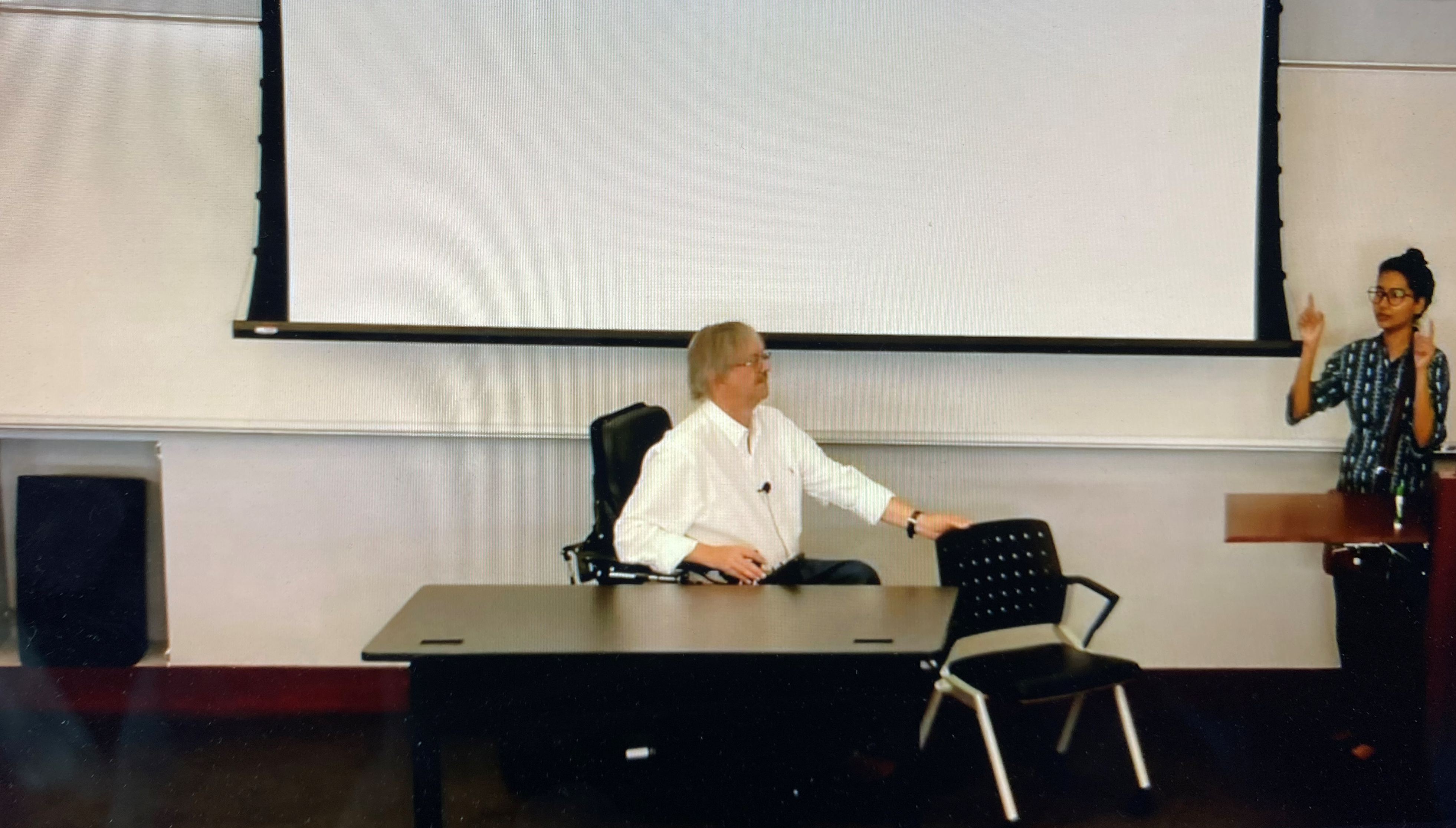

In the 1980s, nearly four decades after the formal end of World War II, a group of German and American historians began connecting the genocide of 6 million Jewish (as well as Romany, Russian, and gay) people in the Holocaust to the mass killings of 300,000 disabled people in psychiatric hospitals, clinics, and institutions. The "euthanasia murders" began in October 1939 nearly a year and a half before the advent of the "final solution" in Nazi death camps. The research caused a great deal of debate amongst Holocaust scholars due to the fact that medical killings were treated separately from those prosecuted for Nazi war crimes during the Nuremburg trials. Many believe that physician supervised killings in medical institutions counted as treatment for those classified as "lives unworthy of life" (i.e. those diagnosed with physical, cognitive, and sensory disorders and, in the terms of the time, incapable of productive labor). In September 2011, following decades of disability activism, the first state supported memorial to those killed in the T4 program opened in Berlin. The workshop was held for all GWU participants and my current class on Disability Studies in order to grapple with questions of the relationship of medical murders to Holocaust genocide, the struggle to publically memorialize the T4 killings in Germany, as well as consider how this history affects the lives of German disabled people today. The lecture is offered by Professor David Mitchell in anticipation of screening an excerpt of a feature-length film titled, "Disposable Humanity".
Access to Workshop:
ICSPHS 2023 Workshop -- Washington - YouTube
Venue:
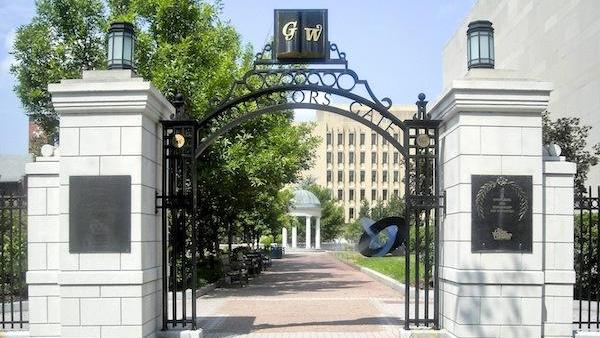
George Washington University, 2121 I St NW, Washington, DC 20052
VISA
U.S. Visas (state.gov)US Visa Information
The B-1/B-2 visitor visa is for people traveling to the United States temporarily for business (B-1) or for pleasure or medical treatment (B-2). Generally, the B-1 visa is for travelers consulting with business associates; attending scientific, educational, professional, or business conventions/conferences; settling an estate; or negotiating contracts. The B-2 visa is for travel that is recreational in nature, including tourism; visits with friends or relatives; medical treatment; and activities of a fraternal, social, or service nature. Often, the B-1 and B-2 visas are combined and issued as one visa: the B-1/B-2.
Application Items
If you apply for a business/tourist visa, you must pay your $160 application fee and submit the following:
- A Nonimmigrant Visa Electronic Application (DS-160) Form. Visit the DS-160 web page for more information about the DS-160.
- A passport valid for travel to the United States with a validity date at least six months beyond your intended period of stay in the United States (unless country-specific agreements provide exemptions). If more than one person is included in your passport, each person desiring a visa must submit an application.
- One (1) 2 x 2 inches (51 x 51 mm) photograph taken within the last six months.
- If a visa is issued, there may be an additional visa issuance reciprocity fee, depending on your nationality.
In addition to these items, you must present an interview appointment letter confirming that you booked an appointment through this service. You may also bring whatever supporting documents you believe support the information provided to the consular officer.
Supporting Documents
- Invitation letter from business or school.
- Detailed CV or resume including a list of publications.
- Complete itinerary, including all meetings, conferences, and visits; include names, addresses, and telephone numbers of your hosts.
- For other materials, please refer to the U.S. Embassy or Consulate website.
NOTICE:
Should your application be denied, the organizing committee cannot change the decision of visa officer, nor will ICSPHS engage in discussion or correspondence with the visa application center on behalf of the applicant. The registration fee CANNOT be refunded when the VISA application of individual being denied.


Sometimes it is the people who no one imagines anything of, that do the things that no one can imagine.